
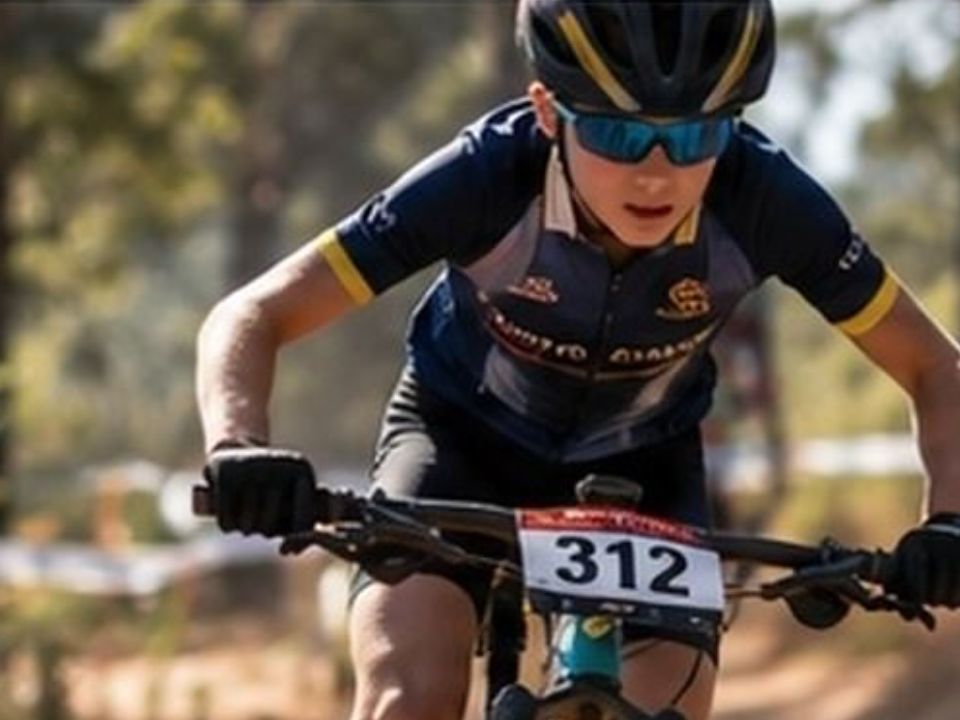
For young mountain bikers, a season of repeated XCO racing can provide valuable competition experience. It can also create a coaching challenge: how do you develop the rider without turning every weekend into a peak-performance exercise?
The answer starts with recognising that racing can serve more than one purpose.
Not every race needs to be a peak
Young riders need opportunities to compete, but they also need time to develop.
If every race becomes a major performance target, training can become reactive. Recovery gets squeezed, technical development is interrupted and the athlete may spend too much of the season trying to reproduce peak form.
A multi-race calendar works better when individual events have different purposes.
Some races can be used to practise pacing. Others can provide technical experience. Some may be important performance targets. Others can simply form part of the development process.
Build around development
The physical demands of XCO are demanding: repeated hard efforts, climbing, acceleration, technical riding and decision-making all have to come together.
But development is not just about making the rider fitter.
Technical skills need repeated practice. Riders need to learn how to manage effort, recover between hard sections and make good decisions when fatigue starts affecting concentration and bike control.
That means training should develop the complete rider rather than chasing fitness alone.
Manage the calendar
When races are close together, the temptation is to treat every result as a verdict on progress.
Coaches and athletes should instead look at the bigger picture.
Is the rider absorbing training? Are technical skills improving? Is recovery adequate? Is confidence developing? Is the rider still enjoying the sport?
A disappointing result does not necessarily mean the programme has failed, just as a strong result does not automatically mean the athlete needs more training.
Protect the young athlete
Development requires patience.
Young riders should not be expected to reproduce their best performance every weekend. Training load, school commitments, growth, sleep and recovery all affect what the athlete can absorb.
The objective is to create an environment in which the rider can improve over months and years—not simply maximise one weekend.
The MCC coaching perspective
A busy race calendar can be a development opportunity if it is planned deliberately.
Use competition to expose the rider to the demands of racing, but protect the training and recovery needed to keep progressing. The coach’s role is to decide when to push, when to consolidate and when to let the athlete race simply for the experience.
Athlete takeaway: don’t judge a young rider’s development only by the results of the last race. Look at the progression of fitness, skills, confidence and consistency across the season.
Source:
MCC original coaching/editorial article. The article provides general youth-development and XCO-season coaching guidance and does not depend on a specific external study or event result.