
A high-level race result can make a new equipment trend look like an obvious upgrade. It rarely is.
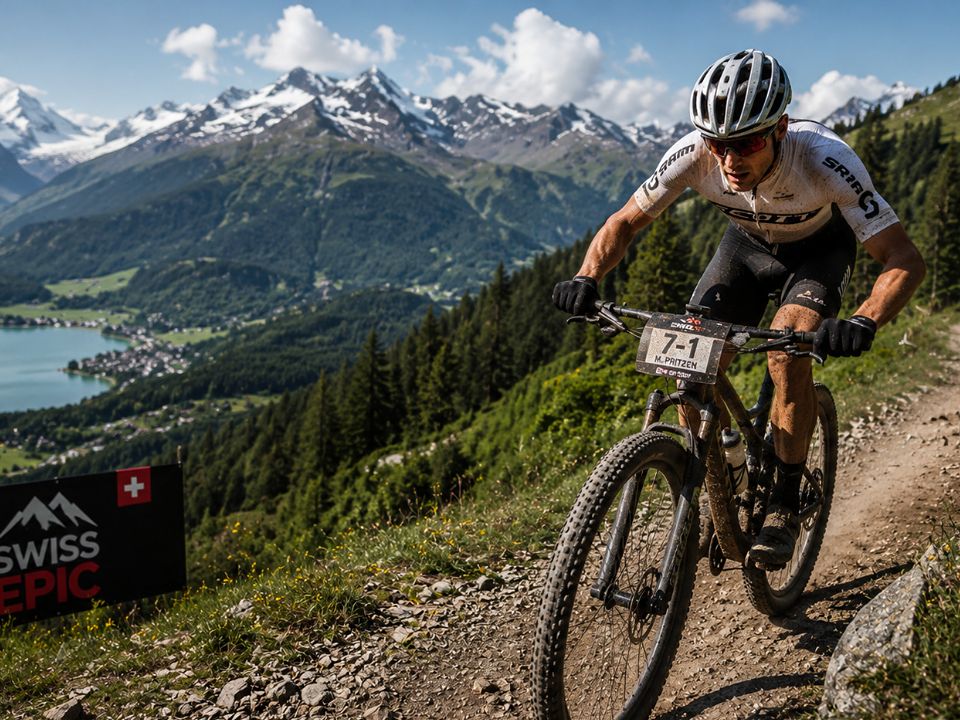
Marc Pritzen’s result on 32-inch wheels at the Swiss Epic was an interesting example of equipment development, but one elite result cannot establish that a particular wheel size is automatically better for every rider.
The more useful question is what the equipment changes—and for whom.
What changes with wheel size?
Larger wheels can alter how a bicycle interacts with the terrain. Rolling characteristics, obstacle clearance, stability, traction and handling can all be affected.
But equipment choices are always a compromise.
A change that benefits one rider may not produce the same result for another. Rider height, bike geometry, terrain, technical ability, handling preference and race demands all influence the outcome.
Don’t confuse an elite result with evidence
Elite athletes operate in a very specific environment.
They have highly developed technical skills, carefully selected equipment, extensive testing opportunities and race objectives that may differ completely from those of recreational or age-group riders.
When an elite athlete wins on a particular setup, it tells us that the setup worked in that context. It does not tell us that every rider should copy it.
Test the complete system
Equipment should be evaluated as part of the whole bicycle and rider system.
A rider considering a different wheel size should think about:
- bike fit and riding position;
- handling and cornering confidence;
- acceleration and climbing feel;
- tyre and suspension setup;
- technical terrain;
- the type of racing being targeted;
- and whether the rider actually feels faster and more controlled.
The last point matters. A theoretical advantage is of limited value if the rider cannot confidently exploit it.
Equipment should solve a problem
The best equipment decision usually starts with a problem.
Does the rider need more stability? Better obstacle rollover? Different traction characteristics? A more suitable fit? Or is the existing setup already doing what it needs to do?
Without a clear problem, changing equipment can become expensive experimentation.
The MCC coaching perspective
New equipment is interesting when it changes performance in a measurable and useful way. It becomes less useful when athletes buy into a trend simply because an elite rider has used it successfully.
Use elite racing as a source of questions, not automatic prescriptions.
Athlete takeaway: don’t ask whether 32-inch wheels are “better”. Ask whether they solve a specific problem for your size, riding style, terrain and racing objective.
Source:
Tread Media. “South African Team Wins on 32-Inch Bikes, Makes Epic Series History.” 20 August 2026. https://www.treadmtb.co.za/south-african-team-wins-on-32-inch-bikes-makes-epic-series-history/ — source for Marc Pritzen/Felix Stehli’s 2026 Swiss Epic Stage 2 result and 32-inch-wheel context. Bike Network. “Results & Recap: Swiss Epic Stage 2.” 20 August 2026. https://bikenetwork.co.za/results-recap-swiss-epic-stage-2/ — corroborating result and course-change details.